In today’s digital era, data is the cornerstone of innovation, business growth, and governance. As India witnesses an exponential increase in digital transactions and personal data generation, ensuring robust data governance has become imperative. This article delves into the principles of data governance, the impact of the Digital Personal Data Protection (DPDP) Act, 2023, and the role of advanced technologies in strengthening data security, compliance, and strategic utilization.
In today’s digital world, data is a vital asset, providing insight that drive strategic decision making, driving innovation, business, and governance. India, with its vast population and rapidly growing digital economy generates one of the largest volumes of personal data. Organizations increasingly rely on this data for defining their policies. However, without proper protection and management, this data remains vulnerable to misuse, breaches, as well as the information gathered can become unwieldy and unusable. Therefore, as data proliferation accelerates, effective data governance has become essential.
The Digital Personal Data Protection (DPDP) Act, 2023, serves as a landmark regulation, reinforcing privacy rights, accountability, and compliance. It mandates organizations to adopt structured policies and safeguards, balancing data utility with protection. The challenge now lies in implementing robust data governance strategies that not only comply with regulatory frameworks but also unlock the value of data-driven decisionmaking. This article explores key components of data governance, technology interventions, and the strategic roadmap for organizations to maximize data utility while ensuring privacy and security.
Data Governance refers to the policies, frameworks, and processes that ensure data is accurate, secure, and accessible to the right stakeholders. It establishes clear roles, responsibilities, and standards for data management while ensuring compliance with regulations. The Digital Personal Data Protection (DPDP) Act, 2023, is a timely initiative that strengthens data privacy and accountability, reinforcing India’s leadership in data governance.
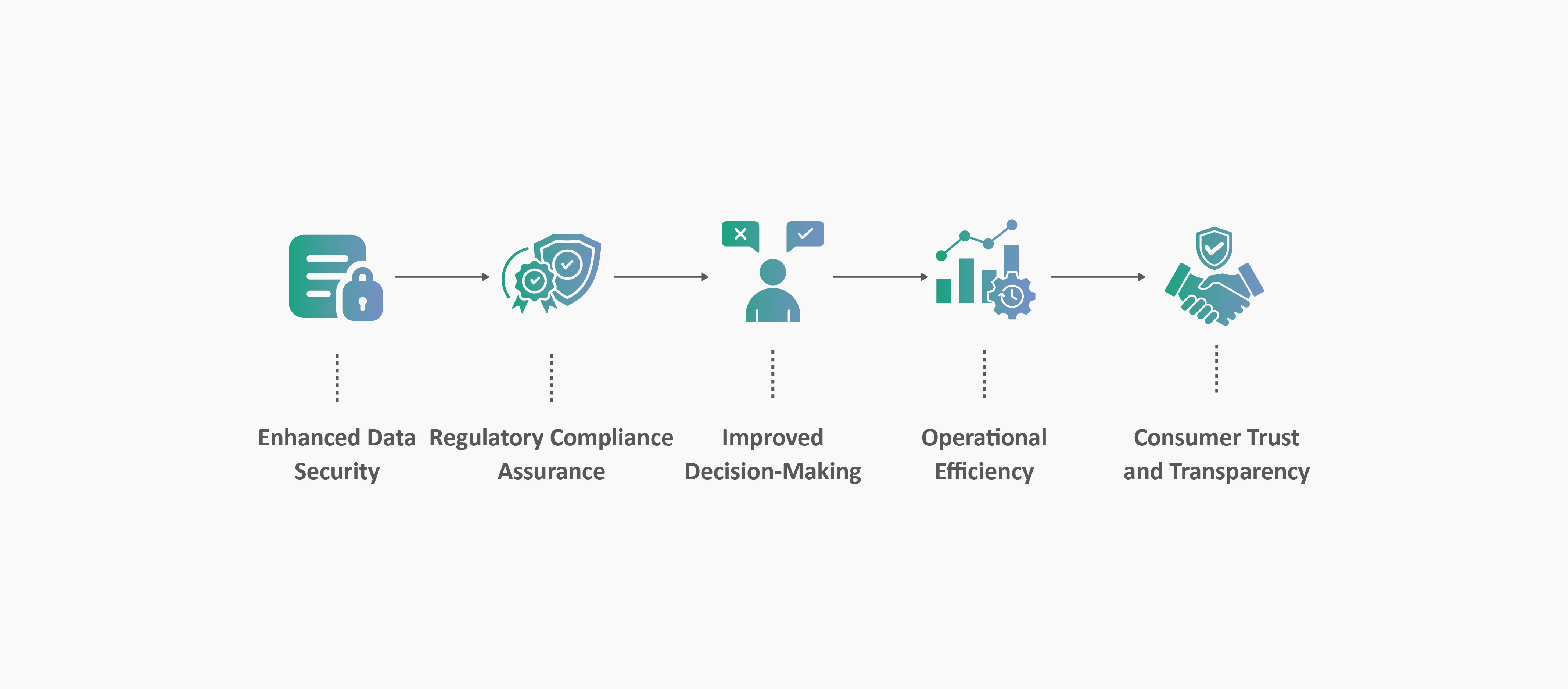
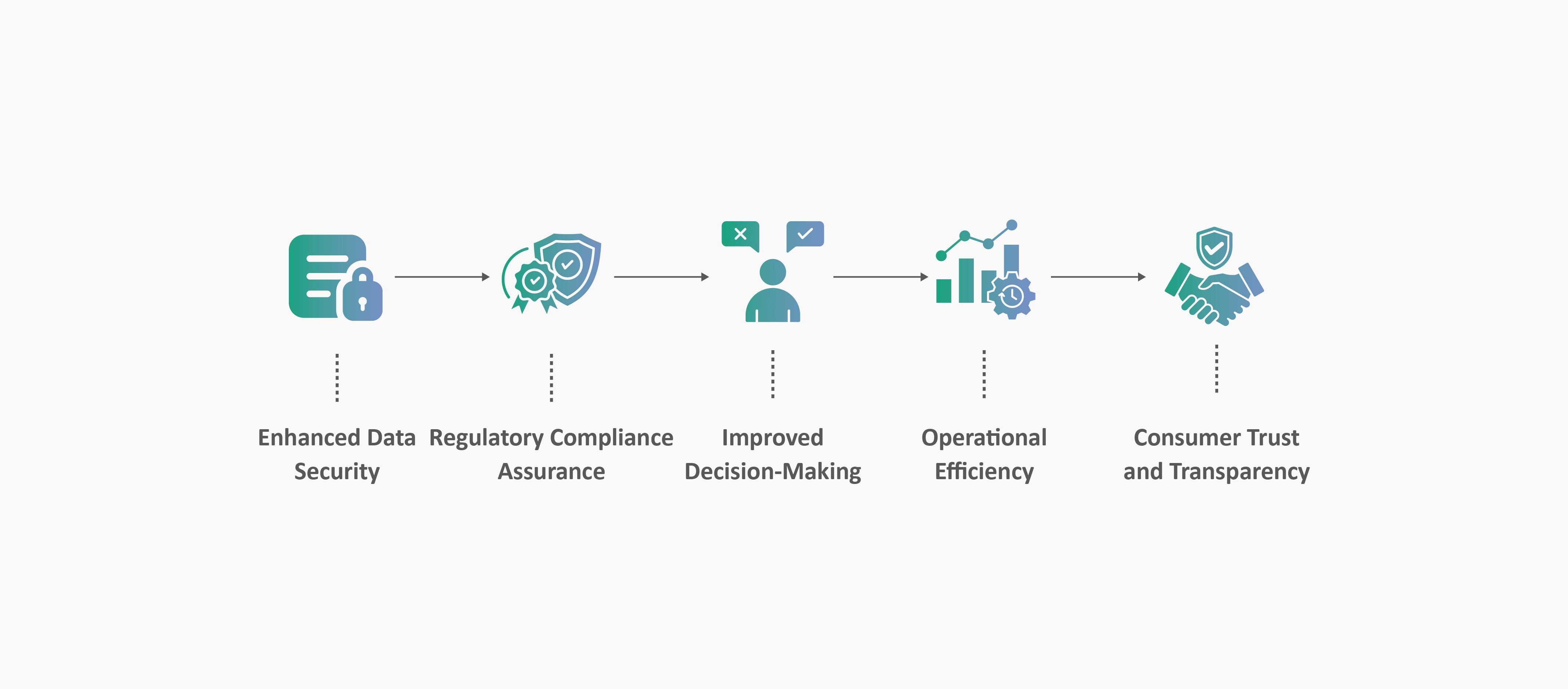
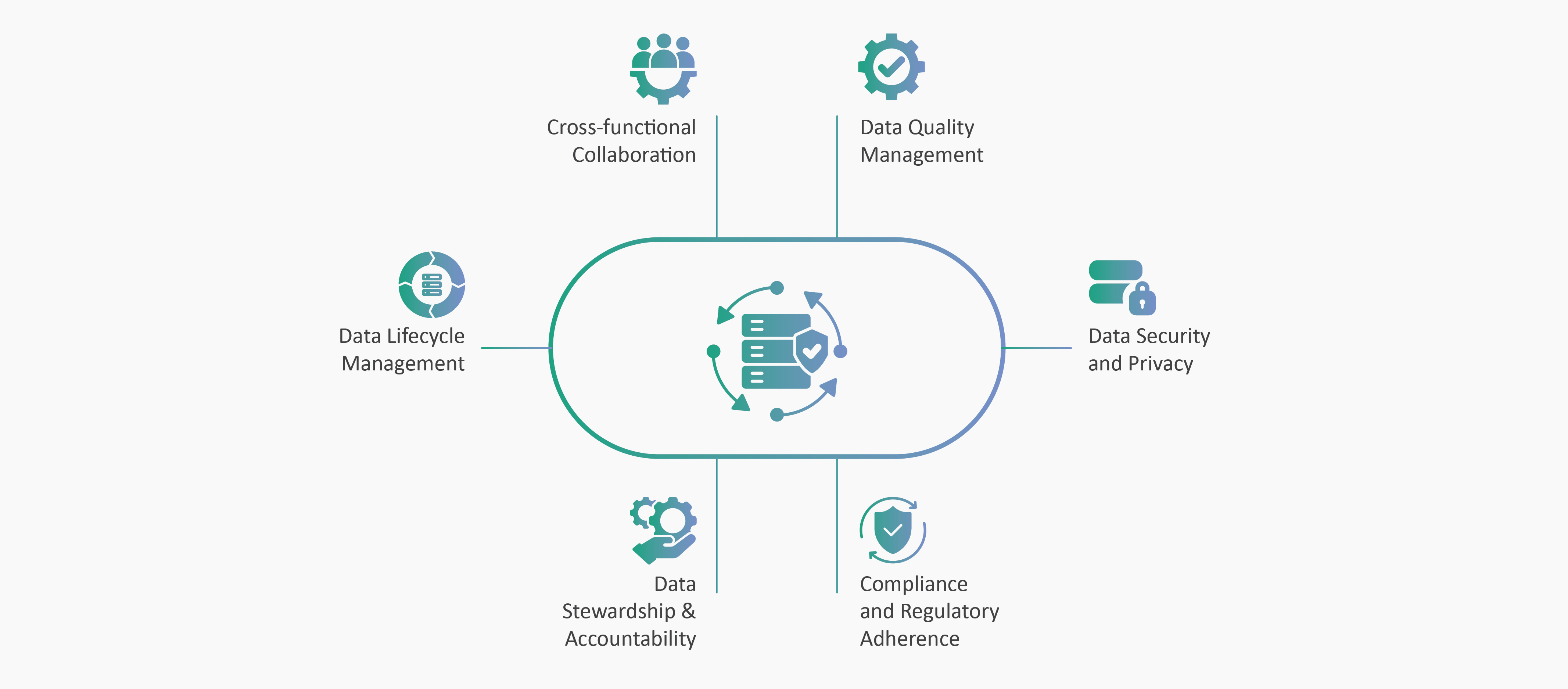
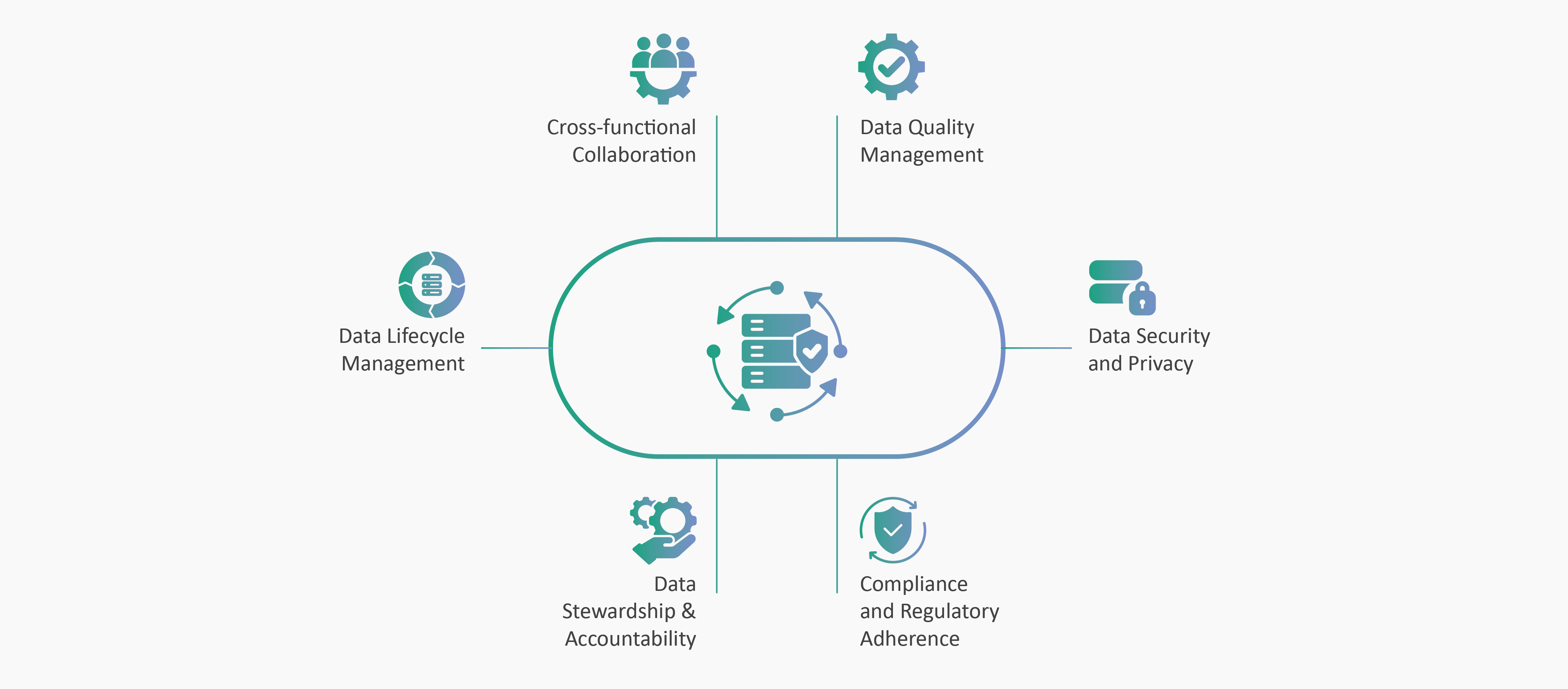
This article explores key principles of data governance and the strategic approaches, including data quality management, security, stewardship, and the integration of advanced technologies like AI and machine learning that organizations must adopt to manage, protect, and optimize their data assets. These tools enhance governance efforts by automating compliance and improving decision-making. By prioritizing data protection and strategic utilization, organizations can gain a competitive edge in the evolving digital landscape.