Smart AI Traps: A New Weapon in the War Against MosquitoBorne Diseases

Smart AI Traps: A New Weapon in the War Against MosquitoBorne Diseases

I n a leap forward for global health surveillance, scientists are now turning to artificial intelligence to combat one of humanity’s oldest enemies: the mosquito.

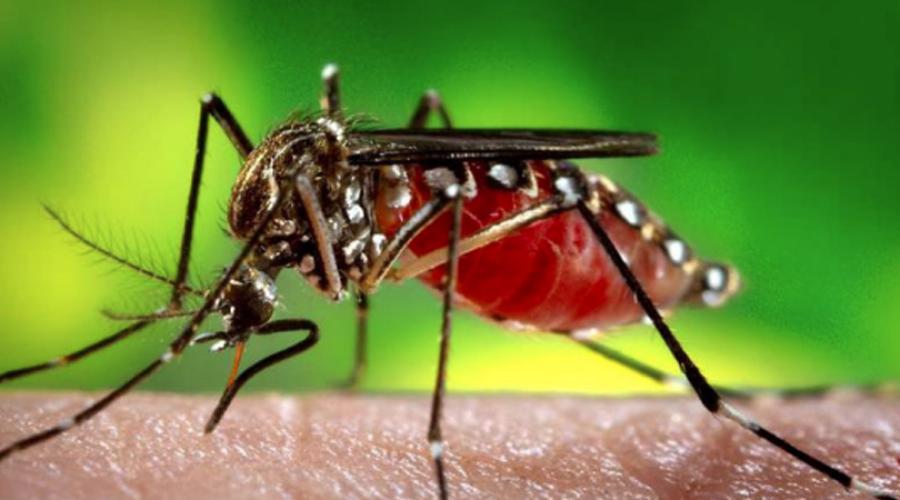
At the University of South Florida, researchers have developed AI-powered mosquito traps capable of identifying disease-carrying species in real time. These smart traps can automatically detect and classify mosquitoes such as Aedes aegypti—vectors of dengue, Zika, and yellow fever—as well as Anopheles mosquitoes that spread malaria. The system’s real-time processing enables authorities to launch swift, targeted interventions before outbreaks spiral out of control. Early trials have shown promising potential in improving public health response times, particularly in high-risk tropical zones.

Meanwhile, at Johns Hopkins University, a team of biomedical engineers has introduced VectorCAM, a portable, AI-enhanced microscope that can identify mosquito species with approximately 95% accuracy. The device is especially impactful in regions with limited access to trained entomologists. In field trials across Uganda, health workers used VectorCAM to quickly assess mosquito populations and adjust vector control strategies on the ground. Its compact design and robust AI vision capabilities make it ideal for remote deployments.

These innovations come at a crucial time, as climate change expands mosquito habitats and resurges in mosquito-borne diseases threaten new regions. Both projects reflect a broader trend in public health: integrating machine learning, computer vision, and edge computing to create smarter, faster, and more scalable disease monitoring systems.

As mosquito-borne illnesses continue to pose serious threats globally, AI-enhanced surveillance tools may just offer the edge we need.

Also read

Government Democratizes Chip Design Access Across Indian Universities

The Government of India is accelerating the democratization of semiconductor design and in…

Read more

Passport Verification Record Now Available on DigiLocker for Citizens…

The National e-Governance Division (NeGD) under the Ministry of Electronics and Informatio…

Read more

Strategic Alliance to Fast-Track India’s Next-Gen Defence Technologies

In a major step towards advancing self-reliance in defence technologies, the Indian Instit…

Read more

AI/ML-Based Applications Set to Transform India’s Power Sector

Artificial Intelligence (AI) and Machine Learning (ML) based applications will play a pivo…

Read more

US Lawmakers Move to Ban Chinese AI in Federal Agencies

Abipartisan group of U.S. lawmakers has introduced the No Adversarial AI Act, seeking to b…

Read more

United States Begin Using AI to Review 911 Calls

Across the United States, county governments are increasingly turning to artificial intell…

Read more

Beyond the Audit: ISO 27001 as the Backbone of Trusted Digital Infrastructure

India’s expanding digital governance needs more than routine audits, which often miss infr…

Read more

Cyber Hygiene at Scale: Securing Government LAN and Endpoints using MOGLES & CAAR

To address the complex cybersecurity needs of government infrastructure, a custom framewor…

Read more

Load Testing as a Service Self - Service model for application load…

Modern day G2C services expect very high concurrency in production. In order to ensure t…

Read more

International Co-operation: India's ICT Team Visits Sri Lanka

Hon'ble Prime Minister of India, Shri Narendra Modi at 18th SAARC, has envisioned making t…

Read more