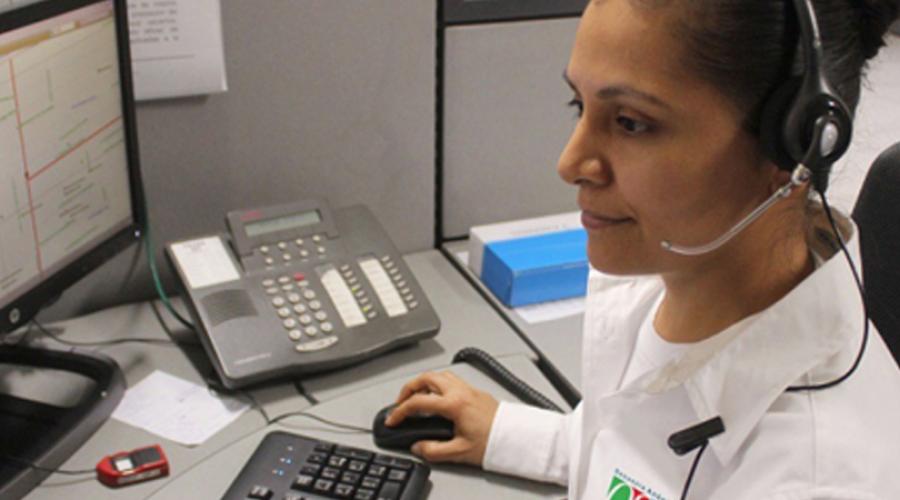
Across the United States, county governments are increasingly turning to artificial intelligence to review 911 calls and dispatch communications, part of a growing effort to modernize emergency response systems and ensure fair, efficient public safety services.
In places like Crawford County, Pennsylvania, officials have approved the adoption of AI-driven platforms to help monitor and assess the quality of emergency calls and radio traffic. The new systems are designed to identify strengths and weaknesses in dispatcher performance, generate detailed statistical reports, and flag potential issues in how calls are handled — without adding to the workload of already stretched public safety staff.
"We’re looking at how to get the most out of our people while maintaining the highest standards of service," said Greg Beveridge, Crawford County’s Director of Public Safety. "With AI, we can review a much higher percentage of calls and gain insights that previously would have taken weeks to collect manually."
Crawford County is using a platform called CommsCoach, which offers real-time call monitoring and feedback tools. The AI reviews are not intended to replace human judgment, officials say, but rather to support it — offering a second set of eyes that can operate at scale, 24/7. The system also helps track patterns that may point to unconscious bias, service delays, or inconsistent responses.
Similar systems are being tested in Johnson County, Kansas, Grand Island, Nebraska, and Jefferson County, Colorado. These jurisdictions are using AI to assist in dispatcher training, improve real-time translation during calls, and triage non-emergency situations more effectively.
Proponents say the technology can reduce disparities in emergency response and ensure consistent treatment across communities. Civil rights advocates, while supportive of transparency efforts, have urged caution.
They emphasize that AI tools must be carefully designed and continuously monitored to prevent reinforcing existing biases or introducing new ones.