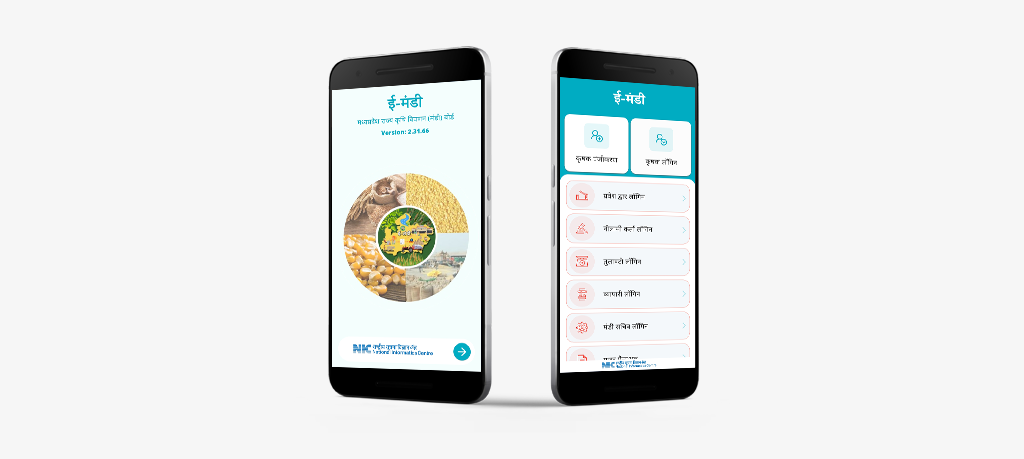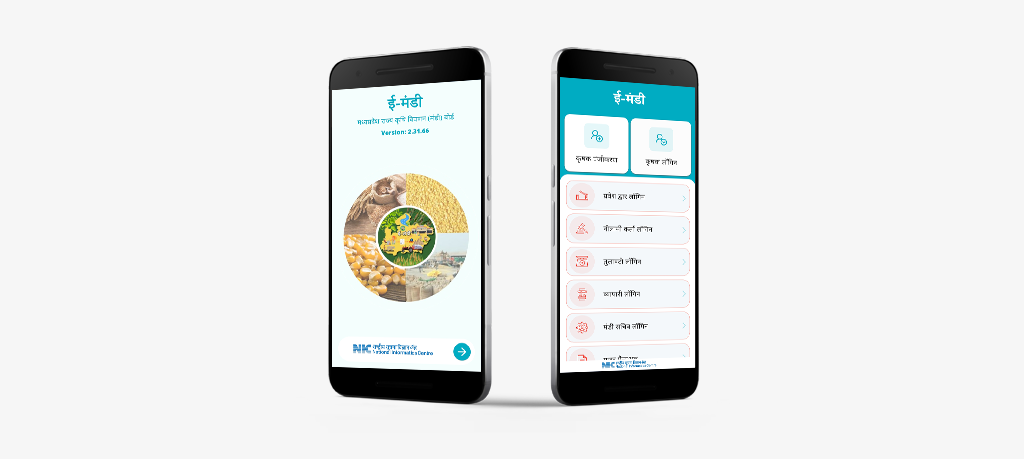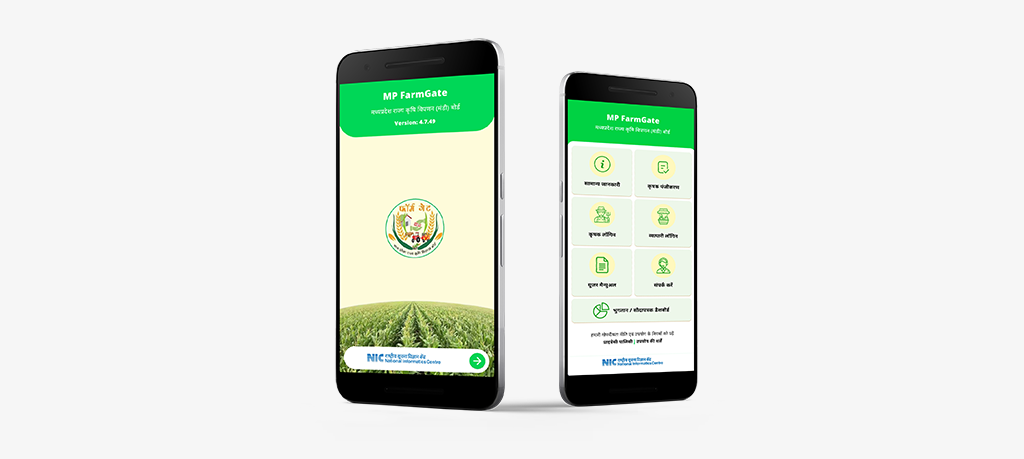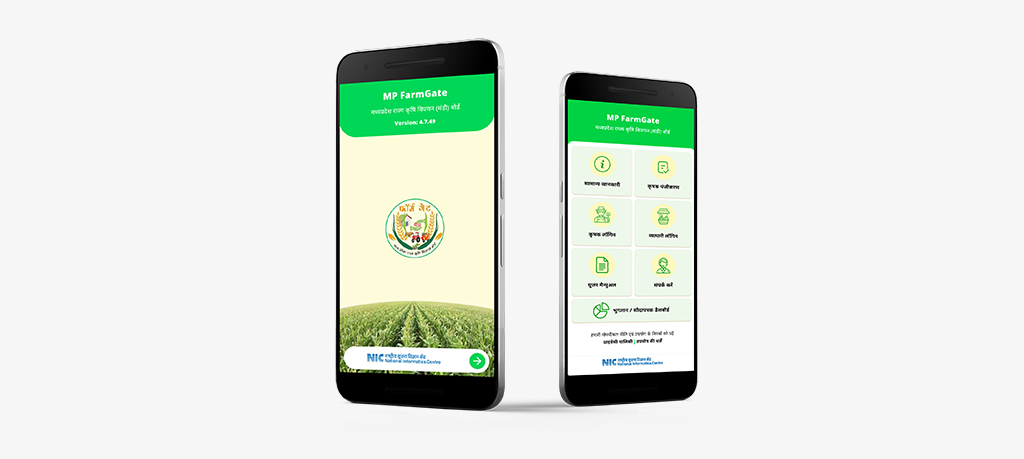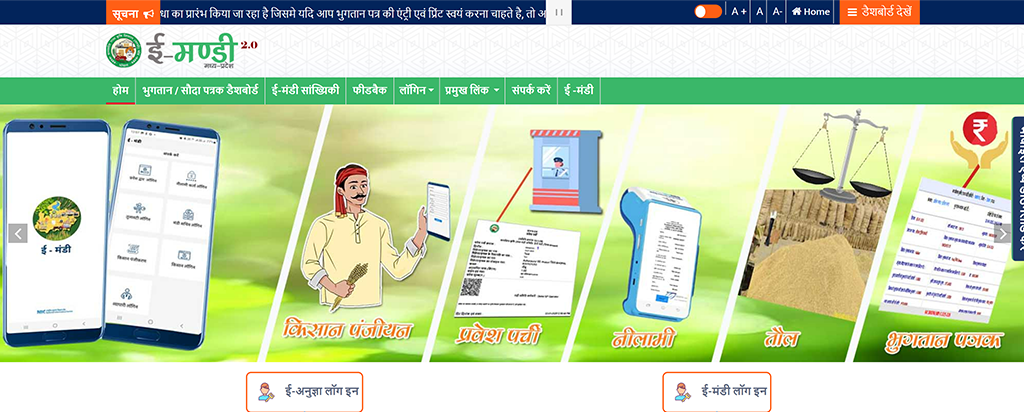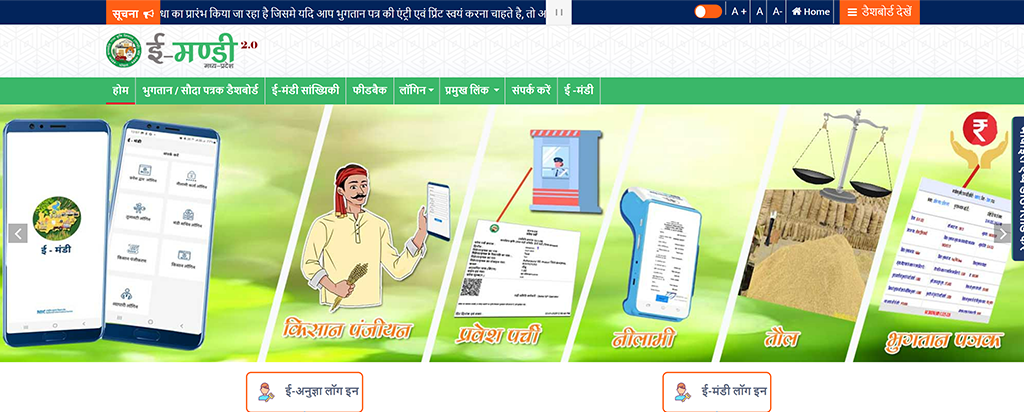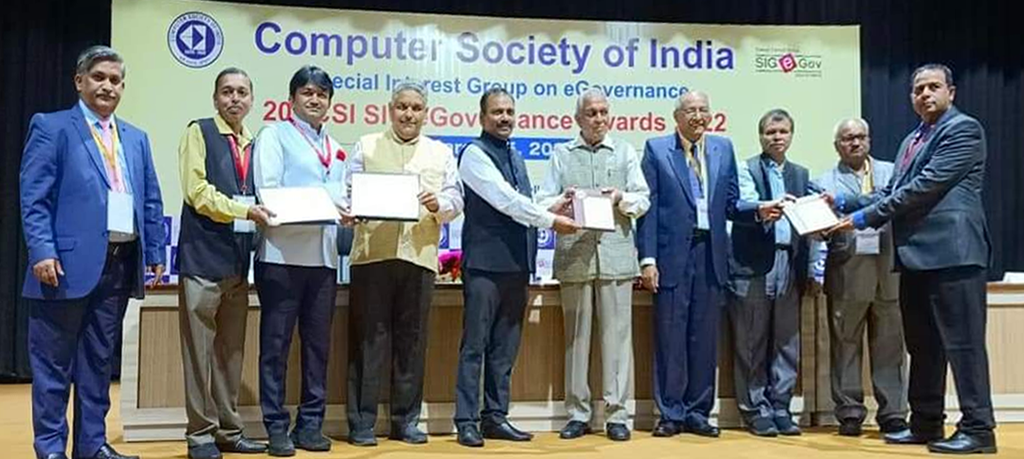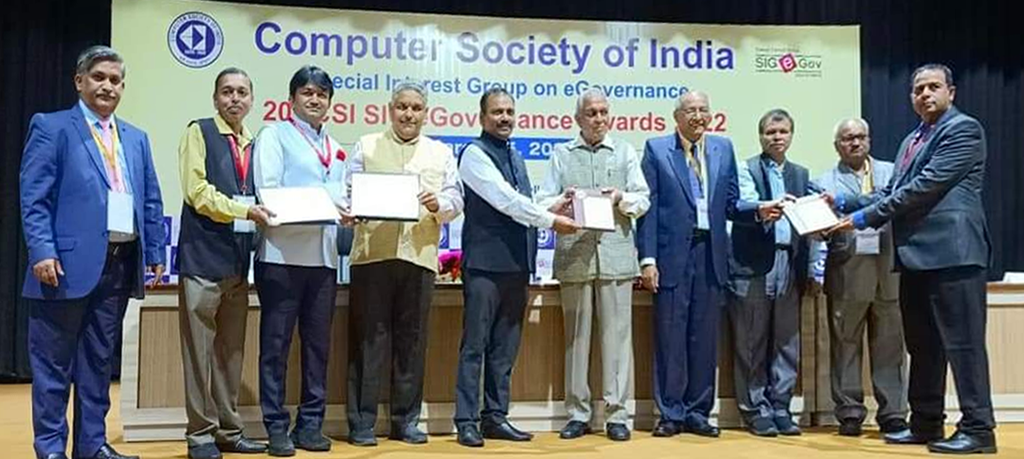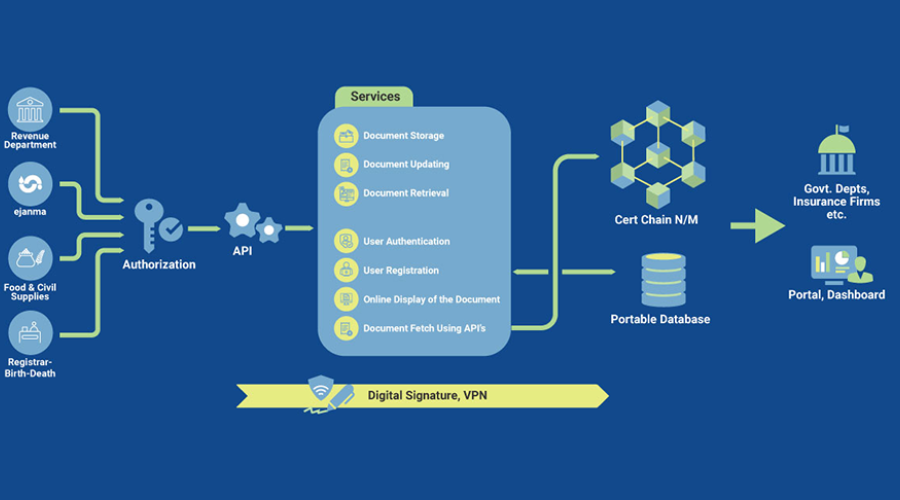
Madhya Pradesh is transforming its traditional mandi (market) system into a modern, digital ecosystem. Supported by the state’s Department of Farmers Welfare and aligned with the national vision, the reform introduces three key digital platforms: eMANDI App for automating yard operations, M.P. Farm Gate App for direct farmer trade, and eANUGYA for managing digital permits and compliance. This shift from manual to digital processes ensures transparency, speed, and traceability across the entire agricultural value chain.
In the heartland of India’s agricultural economy, a silent revolution is reshaping the way farmers, traders, and APMC officials interact. Madhya Pradesh is leading the way in reimagining the traditional mandi system— once defined by handwritten ledgers, verbal negotiations, and long queues—into a modern, transparent, and efficient digital ecosystem. What was once slow and opaque is now fast, accountable, and accessible through mobile apps and web-based platforms.
This transformation is backed by the Department of Farmers Welfare and Agriculture Development, Government of Madhya Pradesh, in alignment with the national vision of the Ministry of Agriculture & Farmers Welfare (MoAFW), Government of India. At the core of the state’s APMC reforms lies the phased rollout of three integrated digital platforms:
- eMANDI App – Streamlines APMC yard operations, including arrival, weighing, auctioning, and settlement of payments.
- M.P. Farm Gate App – Facilitates direct, doorstep trade for farmers, reducing their need to travel and expanding access to buyers.
- eANUGYA System – Manages digital No Objection Certificates (NOCs), gate passes, dispatch permissions, and fee reconciliation with complete audit trails.
Together, these platforms form a comprehensive, end-to-end digital ecosystem that ensures:
- Traceability – Every lot, from first sale to final dispatch, is digitally recorded and trackable.
- Accountability – Secure, tamper-proof e-documents and automated processes minimize fraud and manual intervention.
- Efficiency – Reduced paperwork, real-time dashboards, and mobile accessibility save time and resources for all stakeholders.
This integrated system has not only improved the ease of doing business in agricultural markets but has also built greater trust among farmers, traders, and regulatory authorities. It represents a model for other states to emulate in driving digital agriculture and rural empowerment.