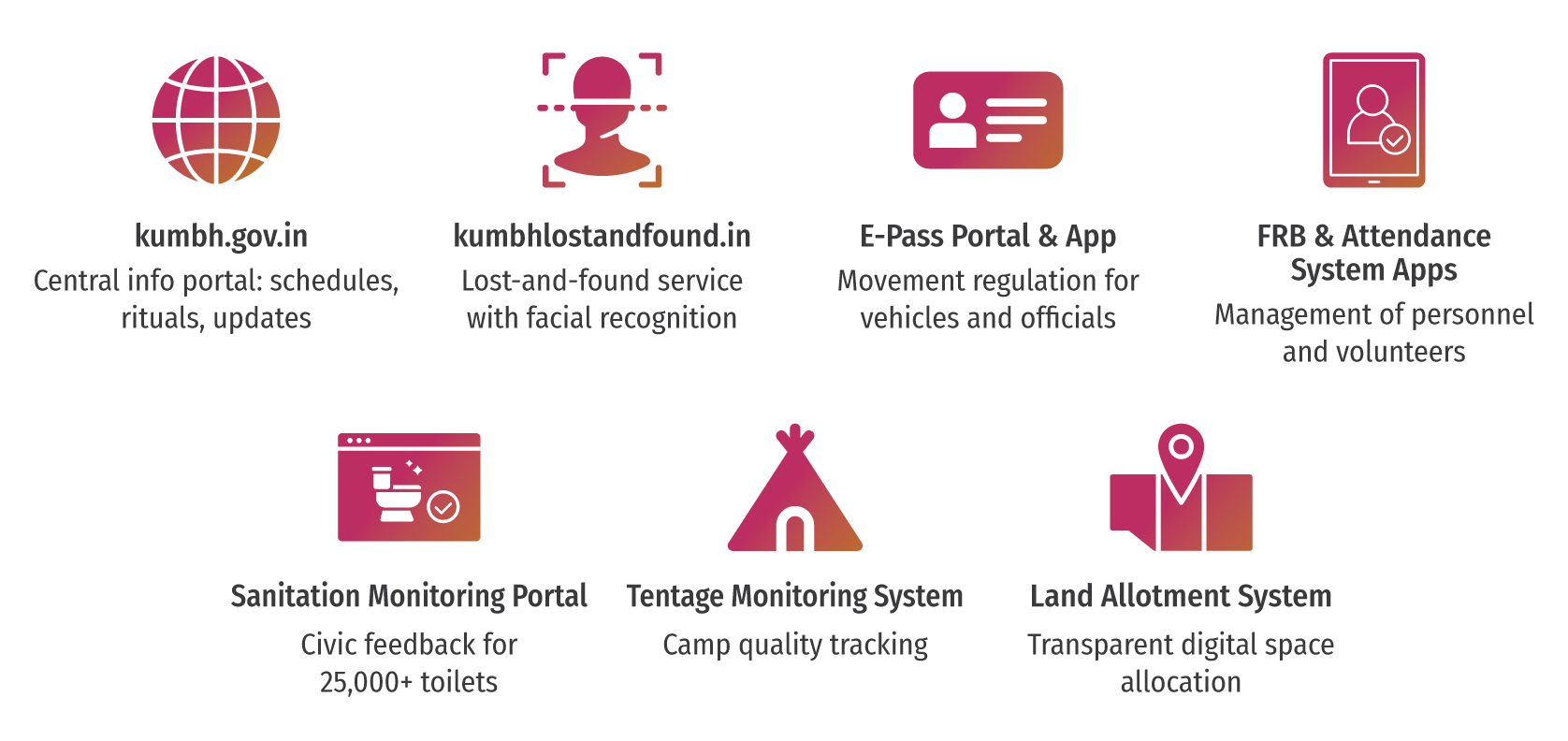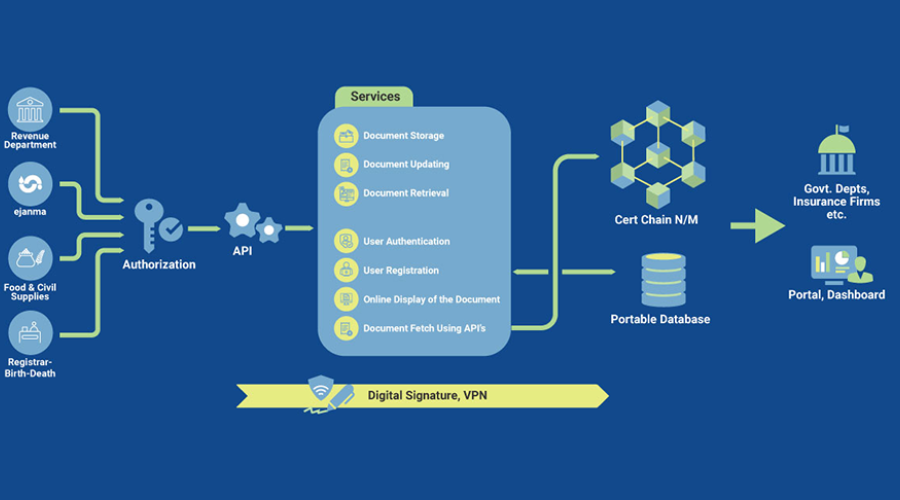
In Maha Kumbh 2025, Prayagraj became a global symbol of spiritual devotion and digital innovation. Over 66 crore pilgrims experienced India’s first “Digital Maha Kumbh,” powered by the National Informatics Centre (NIC). From AI-driven crowd management to multilingual assistance via BHASHINI and smart surveillance systems, NIC transformed the sacred event into a benchmark of smart governance, inclusivity, and digital infrastructure under the vision of Digital India.
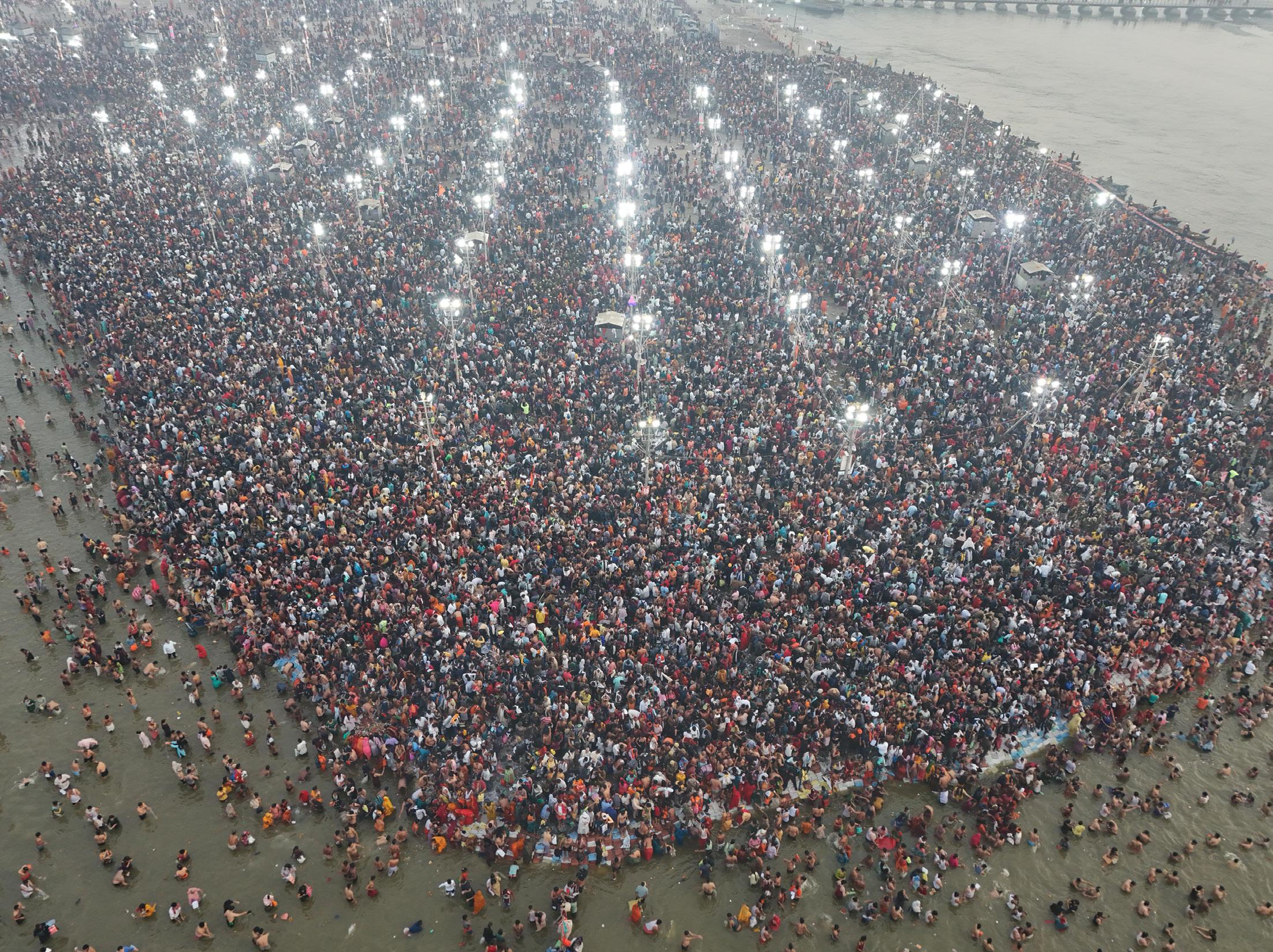
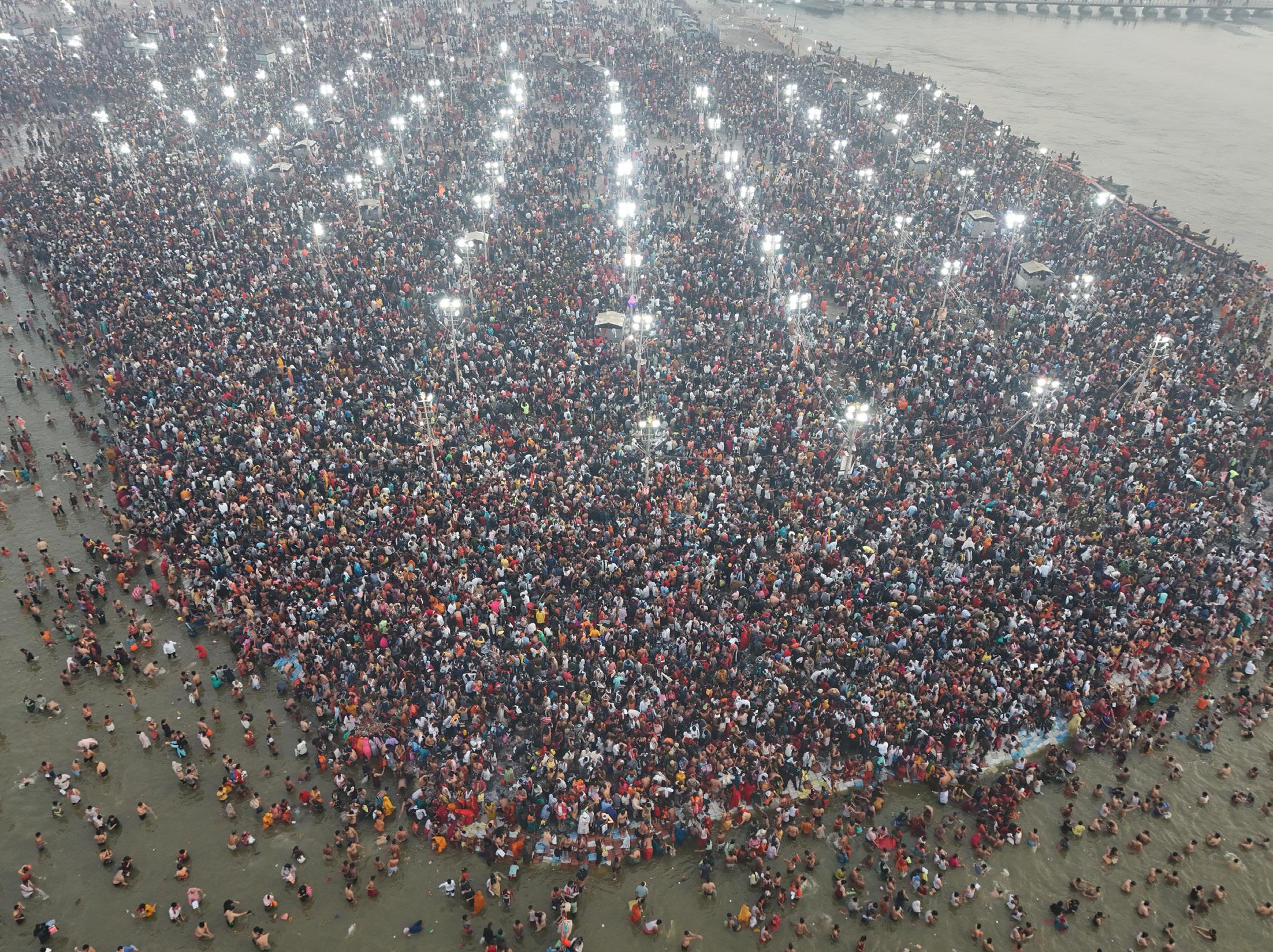
In the heart of Prayagraj, from 13 January to 26 February 2025, the Maha Kumbh Mela emerged as a monumental convergence of ancient tradition and cutting-edge technology. With over 66 crore pilgrims gathering for spiritual liberation at the Triveni Sangam—the confluence of the Ganga, Yamuna, and the mythical Sarasvati—Maha Kumbh 2025 became a global symbol of faith, unity, and innovation. For the first time in history, the event was designated as India’s first “Digital Maha Kumbh”, with the NIC at its helm, weaving the threads of spirituality and smart governance under the vision of Digital India.
Recognized by UNESCO as an Intangible Cultural Heritage of Humanity, the Maha Kumbh is not just a festival; it is a civilizational continuum. Occurring every twelve years, it reflects India’s spiritual pulse—a place where millions seek moksha by immersing themselves in the sacred waters, transcending caste, creed, and borders. This year, the anticipated attendance of 45 crore was far exceeded as the event crossed 66 crore visitors in under a month, reaffirming its global magnetism.
Pilgrims, scholars, saints, and tourists from across the globe arrived not just to participate in rituals, but to witness a spiritual spectacle that was also a technological milestone. The convergence of ancient wisdom and 21st century infrastructure turned Prayagraj into a living, breathing case study of how innovation can complement tradition without replacing it.
The sheer scale of the event required seamless cooperation among various government bodies, volunteers, religious institutions, and digital platforms. Behind the scenes, the NIC emerged as the backbone—designing, integrating, and executing an array of digital solutions that not only empowered administrative efficiency but also amplified pilgrim experience.
The significance of the Maha Kumbh lies not just in the numbers, but in the stories shared, the prayers whispered, the chants resonated across ghats, and the memories created by families and individuals who come from different corners of the world. In 2025, those stories were not only etched in the sands of Prayagraj but also digitized, streamed, and shared in real time. The event was a living embodiment of ‘Vasudhaiva Kutumbakam’—the world is one family.
Through every act of digital service—from facial recognition for safety to multilingual chatbots for information—NIC’s role reflected an understanding of faith’s sensitivities and technology’s possibilities. No code overshadowed the chants, and no drone hovered above without reverence for the tradition unfolding below. It was a balance delicately achieved, one that might set a precedent for mega-events across the world.