The Digital Personal Data Protection (DPDP) Act, 2023 establishes citizens’ rights over personal data and mandates organizations to ensure its protection. However, true compliance requires Cyber Information Security Governance a framework that embeds accountability, vigilance, and discipline across systems, people, and processes. By uniting privacy and cybersecurity under one governance model, organizations can move from reactive compliance to proactive trust building. Sector-specific models, unified oversight, and a culture of accountability are essential to operationalize the Act. Ultimately, cyber governance transforms data protection from a legal requirement into a culture of digital responsibility, resilience, and citizen trust.
When a hospital’s digital systems freeze under a ransomware attack or a citizen’s Aadhaar-linked data leaks online, the damage extends far beyond lost files it erodes public trust. Each such incident reminds us that cybersecurity without privacy is incomplete, and privacy without cybersecurity is impossible.
The Digital Personal Data Protection (DPDP) Act, 2023 marks a watershed moment in the nation’s digital governance journey. For the first time, citizens have enforceable rights over their personal data, and organizations are bound by clear obligations to protect it. Yet, passing a law is only the beginning. The true challenge lies in translating the Act’s intent into daily governance ensuring that personal data is not only processed lawfully but also shielded from breaches, misuse, and negligence.
This is where Cyber Information Security Governance becomes indispensable. By creating structured accountability across people, processes, and technology, it turns legal compliance into operational discipline. A well-governed cybersecurity framework ensures that data protection is not a reaction to a breach but a culture embedded into every digital system.
In essence, the DPDP Act provides the legal backbone, but cyber governance provides the muscle and memory to make it work. Together, they lay the foundation for a privacy-first, cyber-resilient, and citizen-trust-driven Digital India.
Why Cyber Governance Matters After DPDP
The Digital Personal Data Protection (DPDP) Act, 2023 mandates that every organization adopt “reasonable security safeguards” to protect personal data. But in the complex digital ecosystem of government systems, start-ups, and public platforms, what exactly counts as reasonable? Technology alone cannot answer that question. It requires structure, accountability, and foresight the very essence of Cyber Information Security Governance.
Cyber governance provides the framework that transforms compliance into consistency. It ensures that protecting personal data is not left to individual judgment or afterthought but becomes part of an institution’s design. Instead of reacting to threats, governance creates a proactive system of checks and balances that continuously monitors, evaluates, and improves security posture.
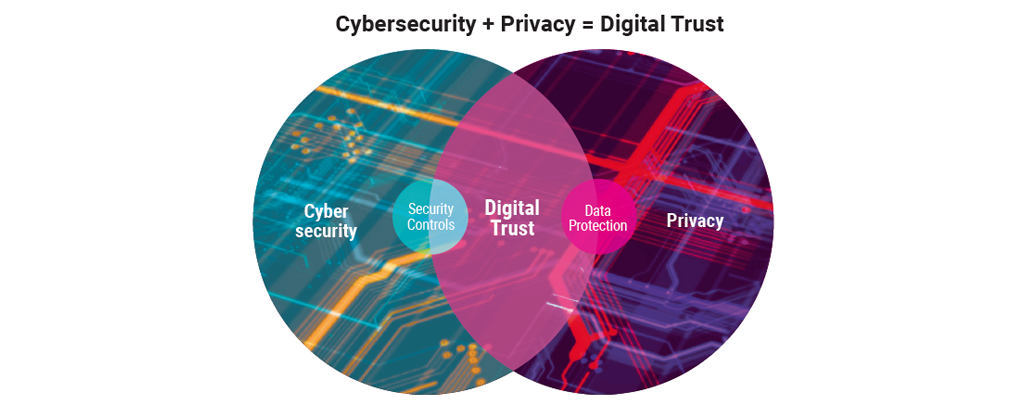
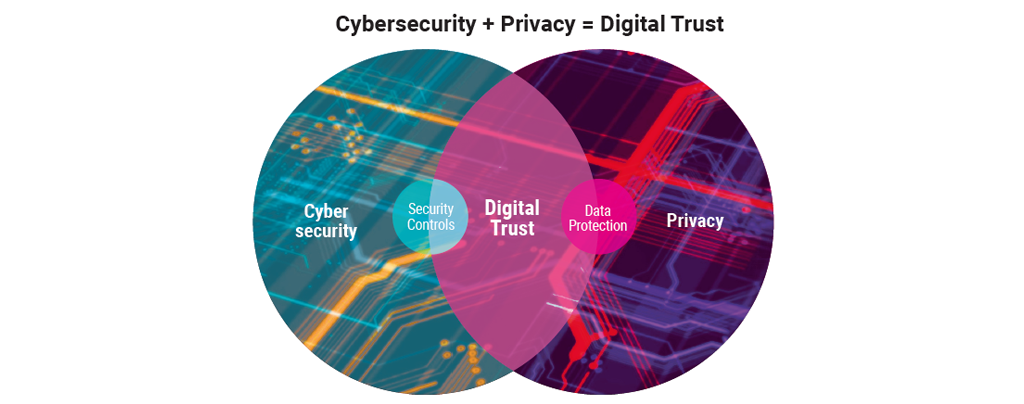
At its core, Cyber Governance bridges law and technology through discipline. It aligns cybersecurity controls with DPDP’s privacy principles from data minimization and purpose limitation to breach notification and consent management. The result is an ecosystem where every department, vendor, and digital platform operates under a unified accountability model.
Key dimensions of Cyber Information Security Governance include:
- Systemic discipline: Establishing clear policies, defined roles, and documented procedures to replace ad-hoc or reactive security practices
- Risk prioritization: Safeguarding sensitive categories of data first such as health, financial, or biometric information through classification and layered protection
- Continuous vigilance: Recognizing that breaches are inevitable but damage is preventable when detection, response, and reporting systems are well-governed
- Integrated compliance: Embedding cyber safeguards directly into DPDP obligations such as ensuring informed consent, minimizing data collection, and timely breach disclosures
In short, cyber governance provides the operating system for DPDP compliance. It gives institutions the capacity to act responsibly, respond swiftly, and recover confidently turning the principle of “reasonable security” into measurable, auditable, and enduring trust.