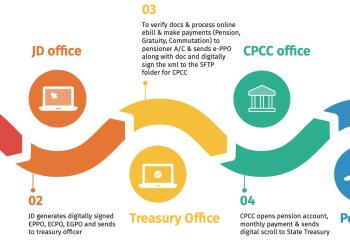
The Post-Matric Scholarship Portal of Chhattisgarh is undergoing further enhancement to improve transparency, efficiency, and user experience. Upcoming features include a dedicated grievance redressal portal for timely complaint resolution, DigiLocker integration for secure and paperless document handling, and an advanced analytics dashboard to support data-driven decision-making and improve the overall effectiveness of the scholarship system.
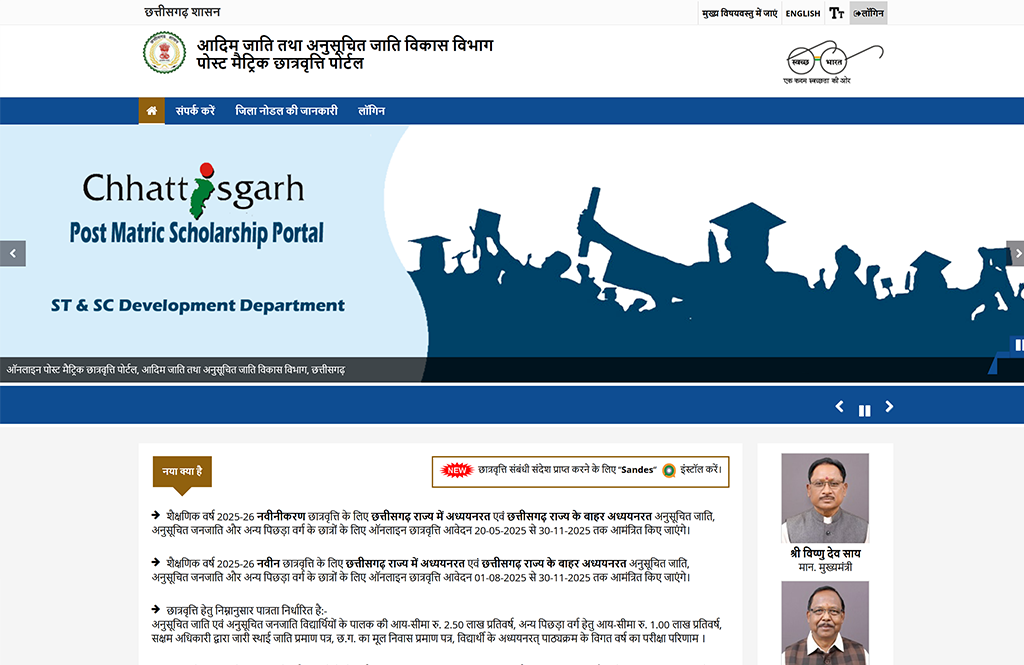
TThe Post-Matric Scholarship Portal, developed by the Government of Chhattisgarh, is a comprehensive digital platform designed to streamline and simplify the distribution of scholarships to students from Scheduled Tribes (ST), Scheduled Castes (SC), and Other Backward Classes (OBC) pursuing higher education.
Launched on October 23, 2021, the portal serves as a one-stop solution for managing state-funded scholarships for diploma, undergraduate, postgraduate, and other higher level courses. It ensures transparency and efficiency by automating the entire process— from application submission and document verification to final disbursement.
At the heart of the system is its integration with the Direct Benefit Transfer (DBT) mechanism, which securely credits scholarship funds directly into students’ Aadhaar-linked bank accounts. This not only speeds up disbursal but also minimizes errors, eliminates intermediaries, and reduces the risk of misuse.
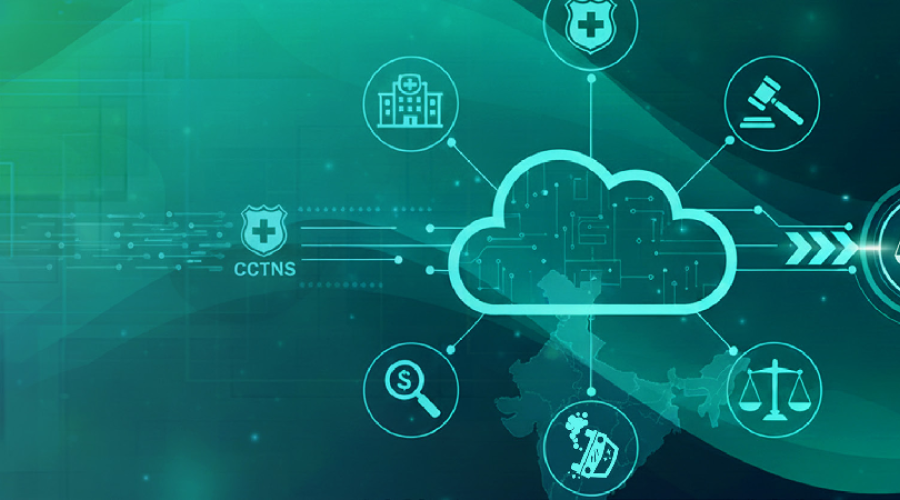
The digital transformation of the scholarship scheme, led by the ST, SC, OBC, and Minority Development Department of Chhattisgarh, represents a major leap toward transparent, efficient, and accessible educational welfare governance. The portal incorporates several key system integrations: UIDAI for Aadhaar based student authentication, NPCI for verifying bank account linkage, AISHE for validating educational institutions, and PFMS and NSP for handling state and central fund disbursements.
To further enhance accountability and security, the system includes features such as geo-tagging of institutions, Aadhaar-based eKYC for officials, and integration with the One-Time Registration (OTR) system to avoid duplication and maintain accurate student records.
This initiative stands as a successful example of leveraging digital governance to ensure inclusive, equitable, and student-centric service delivery—setting a strong foundation for future innovations in welfare programs.